
What to Do When You Have a Pimple: How to Stop Picking and Help a Blemish Heal
There is something about acne that can make even the most sensible skincare advice suddenly feel impossible to follow. You know you shouldn't pick pimples, you've probably been told a hundred times not to touch your face, and yet every time you pass a mirror you need to check on it. Is it bigger? Is it smaller? Is there a whitehead now? Is it finally ready to pop?
As a holistic esthetician and former pick-a-holic who spent years dealing with acne myself, I know that "just don't pick your pimples" isn't particularly helpful advice. Acne can be uncomfortable, painful and incredibly distracting. When a blemish is raised or sore, you can physically feel that it's there even when you're not looking at it. Picking also gives us the feeling that we're doing something to fix the problem, even when what we're doing may actually prolong the amount of time that spot stays visible.
So, what should you actually do when you have a pimple? Rather than attacking it, the goal is to calm inflammation, protect the skin from unnecessary trauma, support the healing process and make it easier to keep your hands off your face.
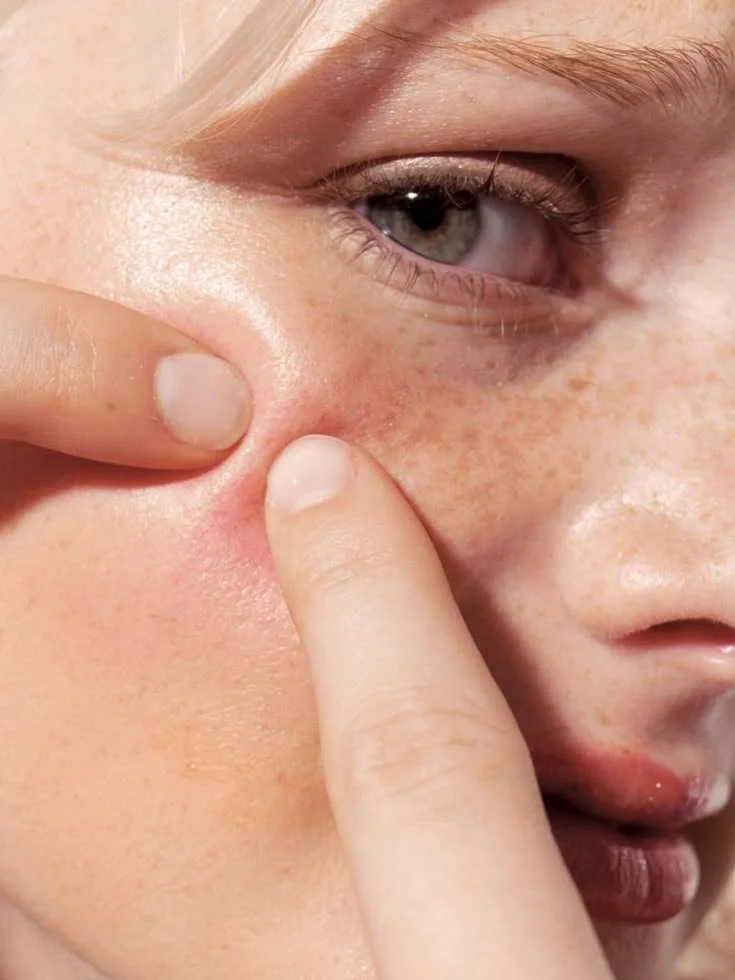
Image Via — Pinterest
What Actually Happens When You Pop or Pick a Pimple?
An acne lesion is already inflamed. When you squeeze, scratch, poke or repeatedly press it, you're adding mechanical trauma to tissue that's already irritated.
Picking can:
Increase redness, swelling and inflammation.
Damage the surrounding skin and disrupt the skin barrier.
Turn an intact blemish into an open wound.
Transfer bacteria and debris from your hands and nails onto compromised skin.
Increase the likelihood of lingering post-inflammatory redness or pigmentation.
Increase the risk of scarring, particularly when deeper lesions are repeatedly manipulated.
And squeezing doesn't necessarily mean everything neatly comes out through the top. The pressure can further irritate the follicle and surrounding tissue (meaning you are pushing it in not out), especially with deeper blemishes that were never ready to be extracted in the first place.
Then there's the picking cycle: you squeeze the pimple, it develops a scab, you don't like the texture of the scab, so you pick that too. It opens again, heals again and gets picked again. At that point, the skin is repeatedly trying to repair a wound while we keep interrupting the process. There can also be an emotional cycle happening alongside the physical one. A new blemish can trigger anxiety and suddenly become the only thing you see when you look in the mirror.
So instead of relying on willpower alone, let's make your skin harder to pick and give you something more helpful to do instead.
What to Actually Do When You Have a Pimple
1. Make Your Bathroom Less Pick-Friendly
To help take the temptation away from picking we need to change the environment where most of the damage tends to happen.
Dim the bathroom lighting. Skip the interrogation-style overhead lighting and use a salt lamp, electric candles, or soft/red ambient light while you do your evening skincare.
Get rid of the magnifying mirror. Nobody is looking at your skin from three inches away at 10x magnification. If it makes you search for things to extract, put it away and set a boundary to keep an arm’s length away from the mirror at all times.
Stop checking the spot. You do not need a progress report every time you walk past a mirror. Constantly inspecting it makes it much harder to forget about it and let it heal.
Your skincare routine should feel like you're taking care of your skin, not looking for things that are wrong with it.
2. In the Morning: Calm It With Cold
If you wake up with an angry, swollen blemish, think cold + calm.
Use an ice roller, cold compress or wrapped ice briefly to temporarily help with visible redness and swelling through vasoconstriction. Never put bare ice directly against the skin or leave extreme cold sitting on one area for a prolonged period.
Then continue with your regular gentle morning skincare. A new pimple doesn't mean your entire routine needs to become more aggressive.
3. During the Day: Put a Pimple Patch on It
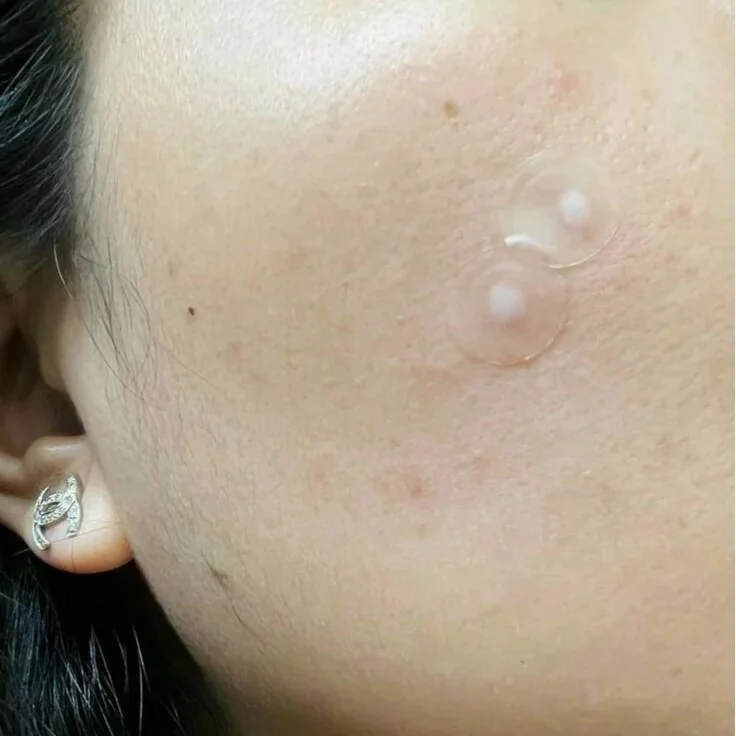
Image Via — Pinterest
One of my favorite reasons to use a pimple patch is incredibly simple: you can't absentmindedly touch the pimple if there's something covering it. They help train you not to pick.
I love the Maskeraide Invisible Acne Patches because they're super thin and discreet enough for daytime wear.
Put one on and move on with your day. No checking. No feeling whether it's gotten smaller. No I'll just see if it's ready yet.
Sometimes you don't need more self-control. You need a physical barrier between your fingers and your face to block the habit.
4. At Night: Think Warm + Flow
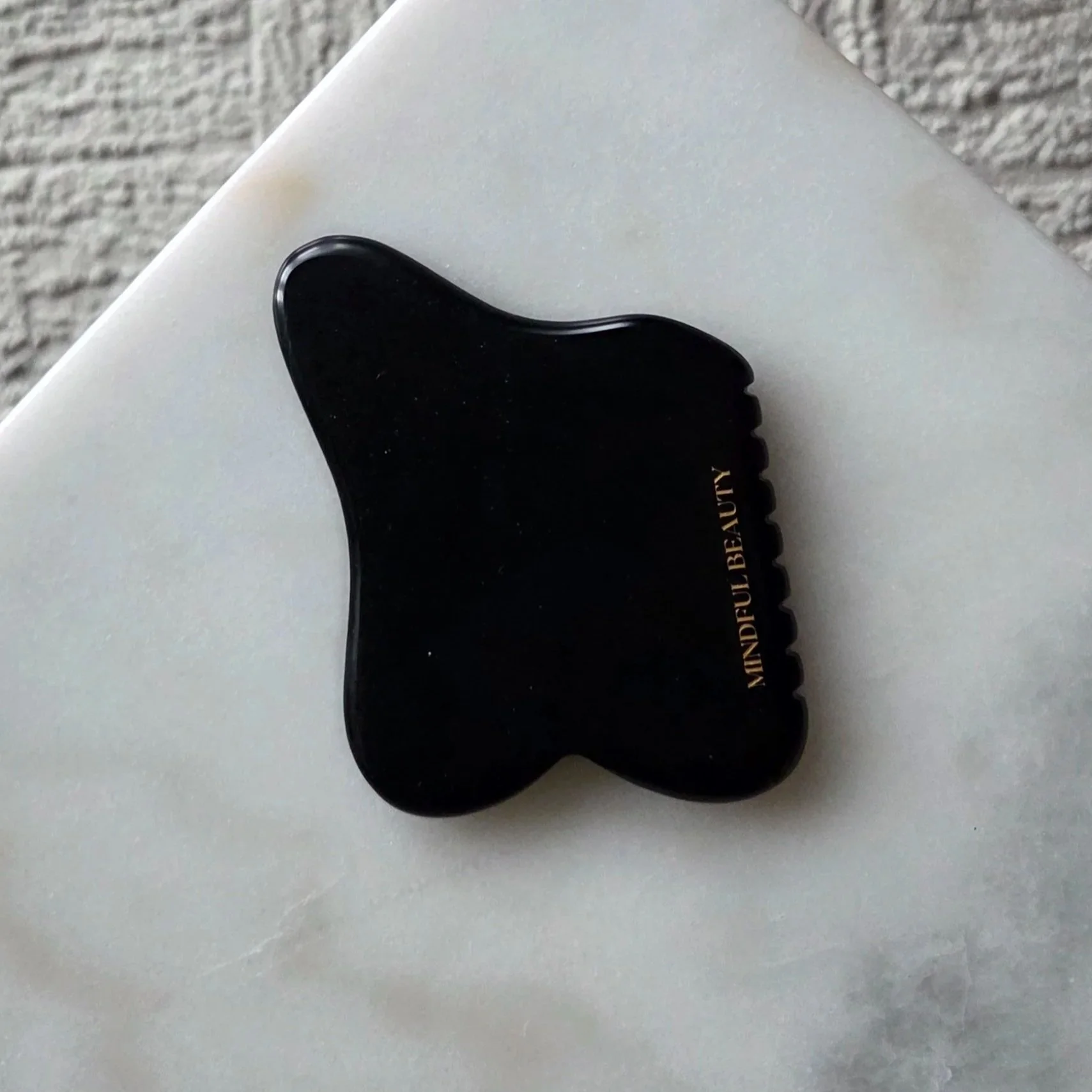
At night, I like bringing in gentle warmth to help with congestion and lymphatic stagnancy.
Use a comfortably warm compress.
Or place your Mindful Beauty Bian Gua Sha Stone in a bowl of warm water before your facial massage.
Work along the neck and lymphatic pathways rather than aggressively manipulating the blemish itself.
We're not trying to physically force anything out of the pimple. We're supporting flow around the area while allowing the inflamed skin to do its thing.
5. Spot Treat Overnight Without Drying Your Skin
A pimple appears and suddenly we want to throw the entire skincare cabinet at it. Acids, scrubs, drying lotions, benzoyl peroxide—anything that makes us feel like we're doing something.
But your skin barrier still matters when you have acne.
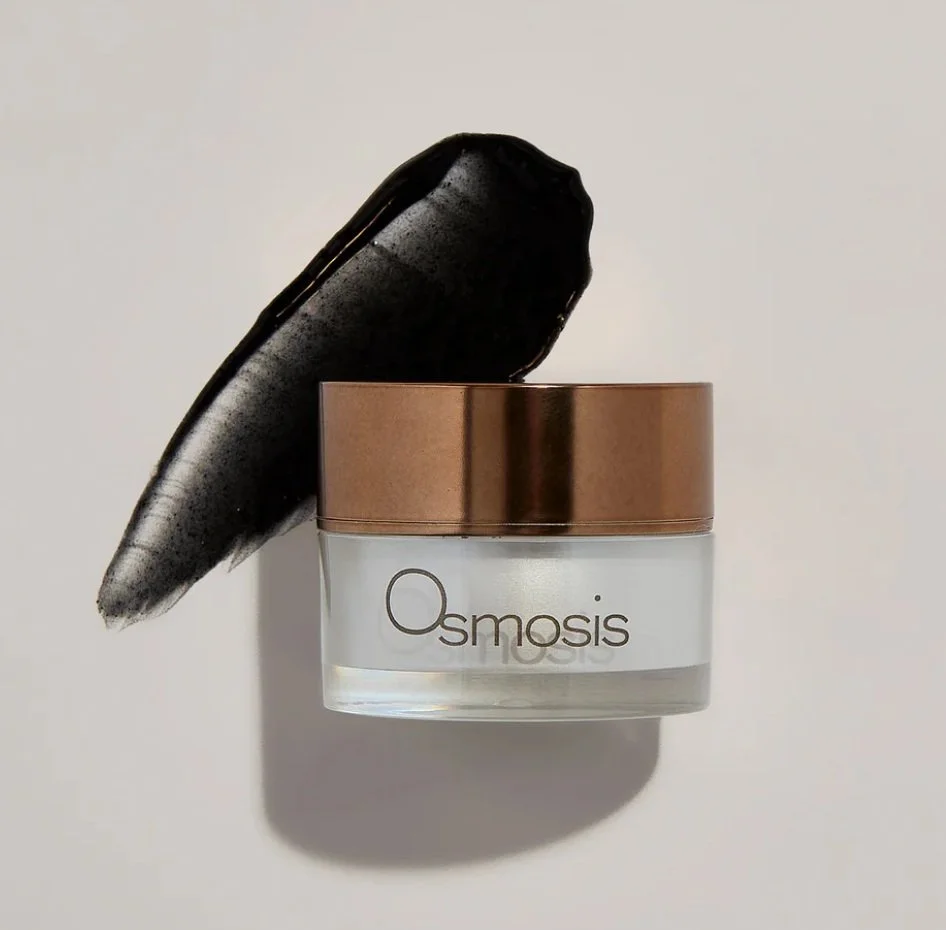
For overnight treatment, I love Osmosis Accelerate Acne Spot Treatment, particularly if you're looking for an alternative to the traditional dry-it-out approach.
A few reasons I like it:
Charcoal helps absorb excess oil and shrink a blemish overnight.
Beta-glucan is moisturizing and soothing and has been studied for its interactions with immune cells and role in skin-repair processes.
It's designed to target the blemish without unnecessarily drying and irritating the surrounding skin.
It's an easy targeted overnight treatment—apply it to the spot and then, very importantly, go to bed and leave it alone.
Stronger doesn't always mean faster, especially when irritation becomes another thing your skin has to recover from.
6. Give Your Hands Something Better to Do
If you're someone who needs to feel like you're actively treating a pimple, targeted skincare technology can help replace the urge to poke, squeeze and inspect.
I like the SolaWave Light Therapy Spot Treatment as a targeted light-therapy option for blemishes, as well as the ZIIP DOT, which has a treatment specifically designed for spots.
ZIIP code: BYKATEY for 10% off.
Follow the recommended treatment protocol for your device. More isn't automatically better—we're trying to replace over-intervention, not find a new way to over-intervene.
I made you a simple 24-hour blemish plan to save to your phone and pull up the next time a spot appears.
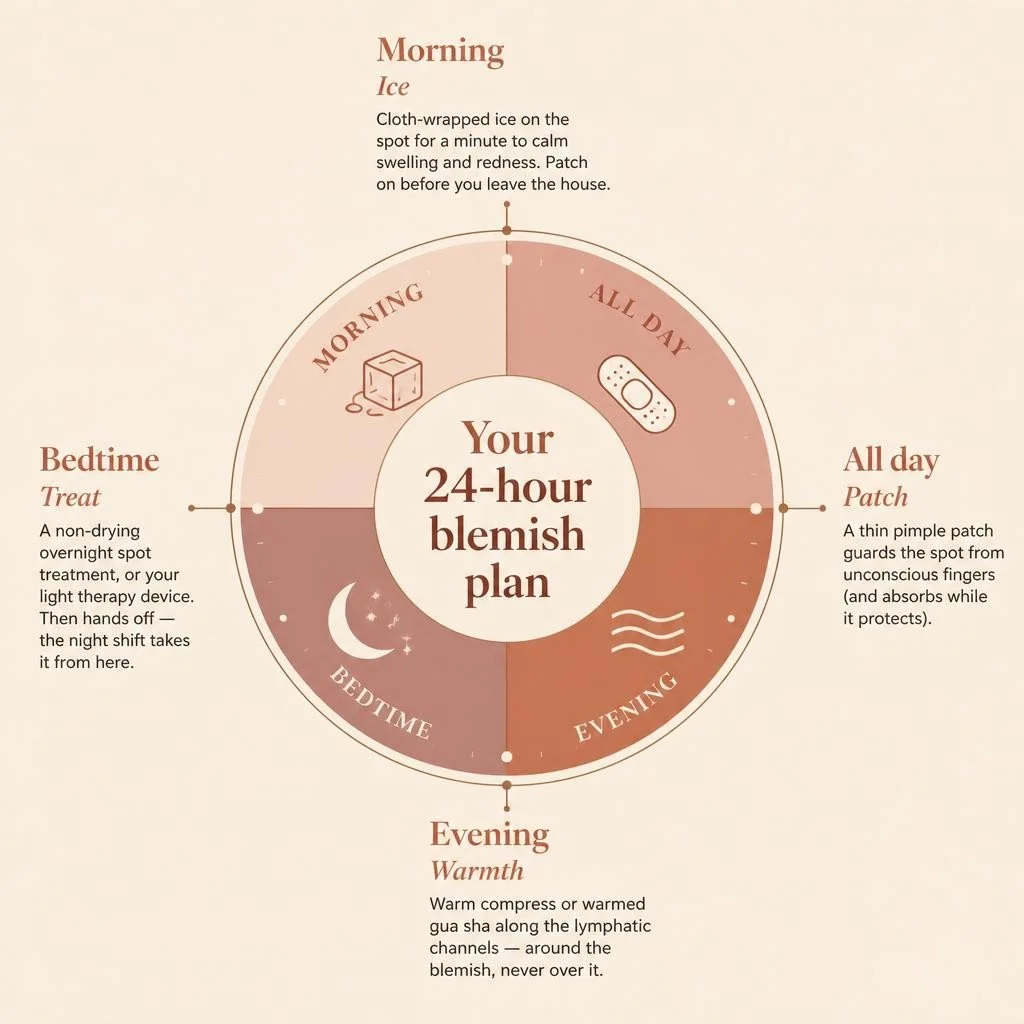
The goal isn't that the pimple will disappear in 24 hours. It's your game plan for those first 24 hours so that instead of immediately picking, squeezing and throwing everything at it, you know exactly what to do.
Spot treatments, patches, ice and targeted devices are great tools, but they're not a substitute for an intentional skincare routine.
A good skincare routine, should be proactive, not reactive. Each step should prepare your skin for the next, helping to support repair, protect your barrier and bring acne-prone skin back into balance.
You can Shop Mindful Beauty for my curated acne-supportive skincare, or if you're overwhelmed trying to choose products on your own, I can help you build a personalized skincare routine designed for your skin.
I hope this helps you feel a little more prepared the next time a blemish pops up. Remember: it's much easier to support a spot while it's healing than to correct the lingering marks or scarring later. Hands off, let it heal, and be gentle with yourself.
The information provided on this site is for general informational purposes only, to include blog postings and any linked material. The information is not intended to be a substitute for professional health or medical advice or treatment, nor should it be relied upon for the diagnosis, prevention, or treatment of any health consideration. Consult with a licensed health care practitioner before altering or discontinuing any medications, treatment or care, skin care products or starting any diet, exercise or supplementation program. The content of this blog and any linked material does not necessarily reflect the opinions of Mindful Beauty facesbykatey and is not guaranteed to be correct, complete, or up to date.