
Pregnancy Safe Skincare: Product Swaps for Expecting Skin
Pregnancy is often associated with that coveted “glow” — but for many women, hormonal shifts can also trigger acne flare-ups, sensitivity, redness, pigmentation, and barrier disruption.
During pregnancy, the skin may be more reactive, and ingredient safety matters more than ever. It’s a time for choosing supportive, gentle alternatives that work with your skin and your body.
In this guide, we’ll walk through:
Common skincare ingredients to avoid during pregnancy
Pregnancy-safe swaps that calm inflammation and support clear skin
An example of a hydrating, barrier-focused pregnancy safe skincare routine

Image via — Pinterest
Why Skincare Needs to Shift During Pregnancy
Hormonal changes can increase oil production, inflammation, and pigment activity, while simultaneously weakening the skin barrier. At the same time, certain topical ingredients can be absorbed systemically and are best avoided during pregnancy and breastfeeding.
The goal isn’t to “treat aggressively” — it’s to support the skin’s natural resilience, keep inflammation low, and maintain barrier health.
Ingredients to Avoid During Pregnancy (and What to Use Instead)
Benzoyl Peroxide
Why to avoid:
Benzoyl peroxide works by releasing oxygen into the pore, to help kill acne bacteria. Benzoyl peroxide is generally recommended to avoid it if you’re pregnant, as we are unsure of potential risks based on the available scientific data. From a holistic lens benzoyl peroxide isn’t an ingredient I use for acne treatment (pregnant or not) because of how it can disrupt the skin’s ecosystem — it doesn’t discriminate between harmful bacteria and the skin’s protective barrier, microbiome, and lipid structure. This ingredient is also inherently drying, inflammatory, and disruptive to the skin barrier, especially problematic for hormonally reactive or sensitized skin during pregnancy.
Pregnancy-safe routines focus on calming inflammation, supporting repair, and maintaining barrier integrity — which leads to clearer, more resilient skin long-term.
Pregnancy-safe swaps for Acne:
Rescue Epidermal Repair Serum — supports inflammation, redness, and healing without stripping the skin. Its patented oxygen technology helps calm breakouts while strengthening the barrier.
Mandelic Acid Serum— a gentle alpha hydroxy acid derived from bitter almonds that helps prevent and clear acne with far less irritation than benzoyl peroxide.
SIV Biome Balancing Serum — Spore based serum Targets inflammatory skin conditions by adapting to your specific skin microbiome to help build resilience with a healthy skin foundation
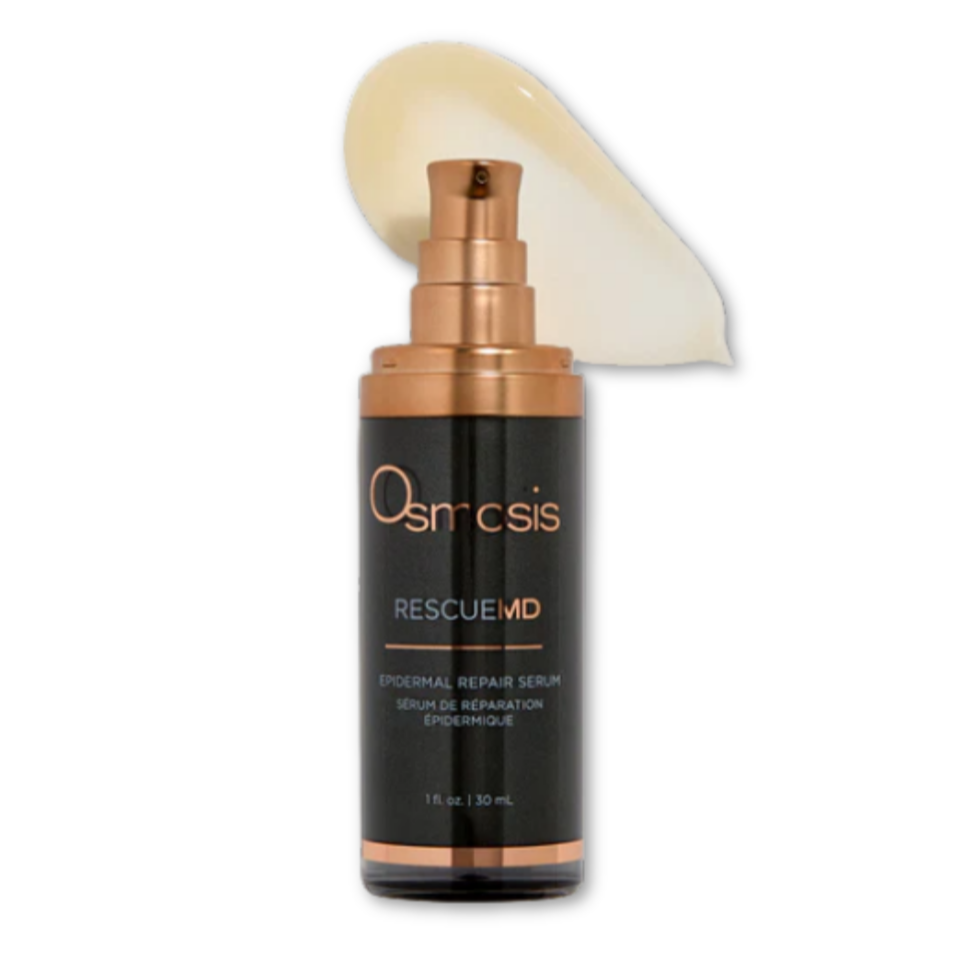
Rescue compromised skin with this uniquely powerful serum proven to neutralize toxins, soothe inflammation, activate epidermal wound and DNA repair to dramatically improve skin texture, pores, age spots, and environmental damage. The key ingredient Trioxolane (ozonized ethyl oleate), is a stable oxygen molecule that helps support immunity, repairs and prevents protein oxidation and has been clinically tested to show improvement in many conditions including acne.
The patented, dynamic formula of Rescue MD Advanced delivers awe-inspiring results that reveal healthier, glowing skin.
WHAT IT DOES:
• Slows Aging Process by repairing oxidative damage
• Calms redness, clears blemishes
• Decreases appearance of pigmentation and dark spots for a more even tone
• Reduces the inflammation present in the skin helping the healing process to resume improving inflamed acne, rosacea, melasma, and many other inflammatory conditions
• Repairs DNA & Wounds: Supports epidermal repair and helps reverse damage at the cellular level.
• Improves Skin Texture: Refines pores and enhances overall skin smoothness.
• Blue Light Protection: Shields skin from the harmful effects of digital and elemental exposure
• Trioxolane is effective at strengthening your skin’s immunity by restoring your oxygen fighting power. As a result, it is anti-microbial against topical fungal and bacterial infections.
KEY INGREDIENTS:
Ozonized Ethyl Oleate (Trioxolane) | Natural plant extract with specialized stable oxygen molecules that repair free-radical damage, repair protein damage, and complete the wound healing process.
Psidium guajava Leaf Extract (Guava) | Protects the skin against free radical cell damage and inflammation
Schisandra Chinensis Fruit Extract (Five-Flavor Berry) | Reinforces the dynamic cohesion between the dermis and epidermis, supports epidermal health and resilience, stimulates collagen, helps to improve skin tone and elasticity in as little as 8 weeks
HOW TO USE:
Apply 1-2 pumps on clean skin in the morning and evening. Follow with additional serum(s) and moisturizer if needed
1 FL/OZ | 30ML
Available exclusively through Osmosis MD skincare professional
Note from Katey: Rescue is the the ultimate solution for rejuvenating and restoring skin health. If your skin is in need of repair, Rescue can be your skin’s transformative savior. All skin types can benefit and should experience the amazing proven results Rescue can help achieve.
Salicylic Acid (BHA)
Why to avoid:
Salicylic acid is oil-soluble and penetrates deeply into pores. While small amounts may be considered low risk, it’s commonly avoided during pregnancy due to its relation to aspirin (a salicylate).
Pregnancy-safe swaps:
Enzyme exfoliation — fruit enzymes gently dissolve dead skin cells. Try Purify Enzyme Cleanser to keep skin feeling fresh instead of salicylic acid.
Fragrance & Phthalates
Why to avoid:
Synthetic fragrance and phthalates are common endocrine disruptors and frequent triggers for irritation, headaches, and skin reactions — especially during pregnancy when sensitivity is heightened.
Pregnancy-safe swaps:
Fragrance-free or naturally aromatic essential-oil formulas (check if pregnancy safe essential oils)
Gentle Skin Hydration Cleanser — completely fragrance-free, designed for dehydrated, sensitized, reactive skin.

Image via — Pinterest
Sunscreen: Chemical vs Mineral During Pregnancy
Chemical Sunscreen Filters to Avoid
Oxybenzone
Octinoxate (Octyl methoxycinnamate)
Avobenzone
Homosalate
Octisalate
Octocrylene
Why to avoid:
These filters absorb UV radiation and convert it into heat. Some are known endocrine disruptors and can be absorbed into the bloodstream.
Pregnancy-safe swap:
Mineral sunscreen with zinc oxide
Guardian Angel Peptide Sunscreen Milk— zinc-based, hydrating, and pregnancy-safe.
Vitamin A / Retinoids During Pregnancy
Retinoids to Avoid
Retin-A, Renova (tretinoin)
Retinoic acid
Retinol
Retinyl palmitate / linoleate
Differin (adapalene)
Tazorac, Avage, Fabior (tazarotene)
Panretin (alitretinoin)
Why to avoid:
Vitamin A derivatives are linked to fetal development risks when used systemically, and most practitioners recommend avoiding topical retinoids during pregnancy.
What About Osmosis Retinaldehyde Serums?
Many clients ask about Osmosis retinal serums.
According to Osmosis Beauty:
“The acceptable range of Vitamin A while pregnant is 2,500–10,000 IU per day and 4,000–15,000 IU while breastfeeding. When using Osmosis Vitamin A serums, you will not exceed 300 IU per day — even with the strongest serum used at 2 pumps, twice daily. Professional Facial Infusion treatments are also considered safe, as they do not exceed 1,500 IU.” — Read Osmosis FAQ here
That said, it is always recommended to consult your physician before using active products during pregnancy or breastfeeding.
Pregnancy-Safe Swap: Bakuchiol
Bakuchiol is a plant-derived alternative that:
Supports collagen production
Improves texture and tone
Helps with acne and pigmentation
Does not carry retinoid risks
→ Bakuchiol Complete is a beautiful option for pregnancy-safe skin renewal.
Learn more about the benefits of Bakuchiol here
Essential Oils to Avoid During Pregnancy
Certain essential oils may stimulate uterine contractions or be too stimulating for pregnancy.
Avoid:
Aniseed, Basil, Birch, Camphor, Cinnamon Bark, Clary Sage, Clove, Cumin, Geranium, Hyssop, Mugwort, Nutmeg, Oak Moss, Parsley Seed/Leaf, Pennyroyal, Peppermint, Rosemary, Rue, Sage, Tansy, Tarragon, Thuja, Thyme, Wintergreen, Wormwood
Safe oil options:
Ritual Oil — no essential oils
Egyptian Magic — fragrance-free and essential-oil-free, also makes a wonderful tummy butter.
A Pregnancy-Safe, Hydrating, Barrier-Focused Routine
Designed to calm inflammation, support glow, and protect the skin barrier.
AM / PM
AM
Guardian Angel SPF (mineral zinc)
As Needed
Egyptian Magic to seal moisture, soothe dryness, and as a tummy butter.
The Takeaway
Pregnancy-safe skincare doesn’t have to mean saying goodbye to your skincare routine or doing less — it means doing things more intentionally.
By removing ingredients that overstimulate or disrupt, and replacing them with barrier-supportive, anti-inflammatory alternatives, you can maintain clear, calm, glowing skin throughout pregnancy and beyond.
When in doubt, always consult your healthcare provider — and choose skincare that supports your skin and your body.
The information provided on this site is for general informational purposes only, to include blog postings and any linked material. The information is not intended to be a substitute for professional health or medical advice or treatment, nor should it be relied upon for the diagnosis, prevention, or treatment of any health consideration. Consult with a licensed health care practitioner before altering or discontinuing any medications, treatment or care, skin care products or starting any diet, exercise or supplementation program. The content of this blog and any linked material does not necessarily reflect the opinions of Mindful Beauty facesbykatey and is not guaranteed to be correct, complete, or up to date.