
Tyrosinase Inhibitor Skincare for Dark Spots
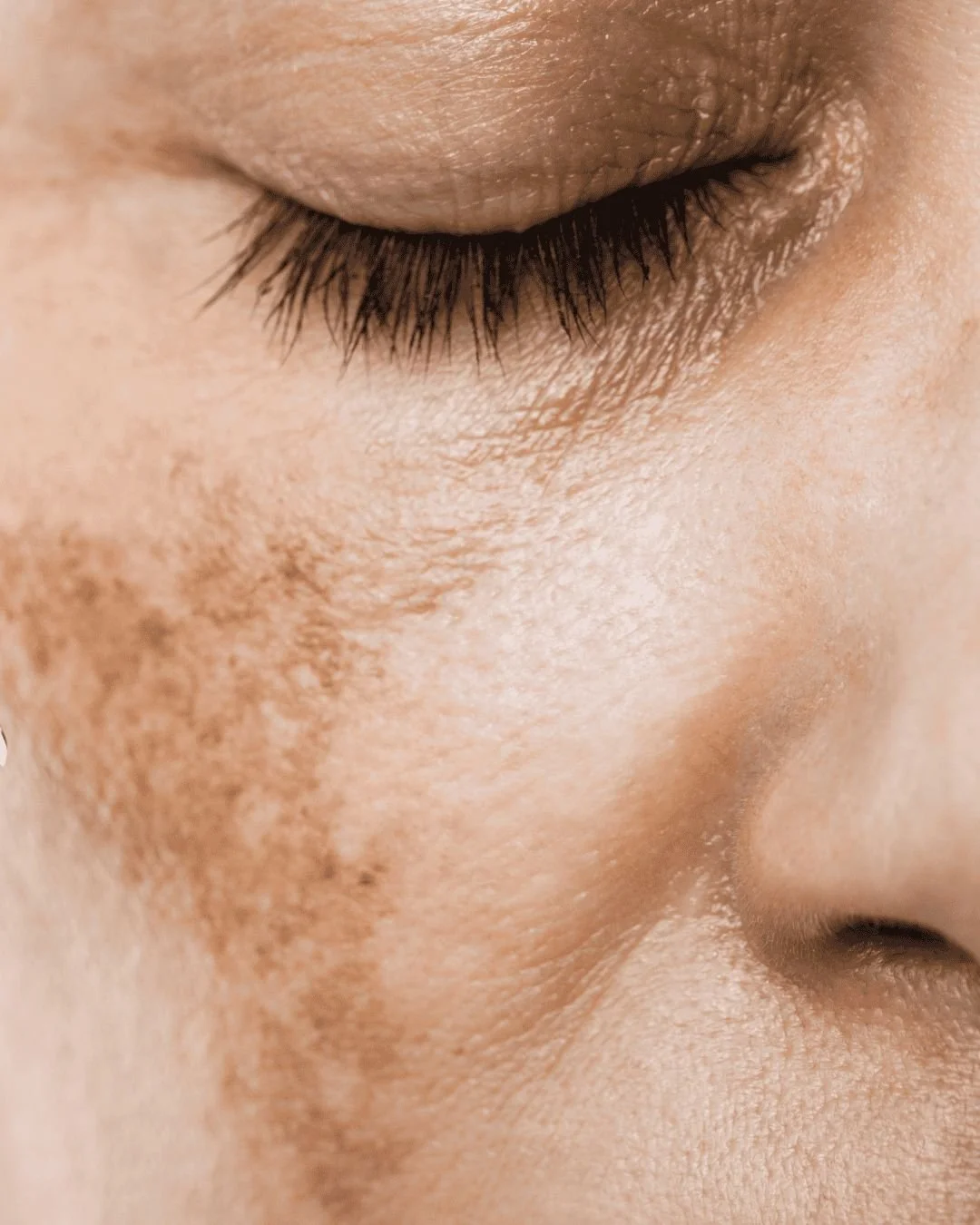
Pigmentation on the face can feel confusing, frustrating, and often overwhelming — especially when pigmentation skincare products are filled with scientific terms and buzzwords that rarely get explained. “Tyrosinase inhibitors” is a phrase you might have heard for pigmentation targeted skicnare, but what does that actually mean, and why does it matter for uneven tone, dark spots, and melasma.
In this blog, we break it all down in a clear, skin-intelligent way so you can understand:
how facial pigmentation forms,
what truly helps calm overactive pigment cells
targeted facial pigmentation products with tyrosinase inhibiting ingredients that support brighter, more even skin — without irritation or rebound discoloration.
What does “tyrosinase inhibitors” mean?
Tyrosinase is an enzyme in your skin that acts like an on switch for pigment production. Tyrosinase inhibitors are compounds that block the enzyme tyrosinase that is responsible for melanin (skin pigment) production, leading to skin brightening, fading dark spots, and evening skin tone by reducing melanin synthesis.
Here’s the simplified pathway:
Tyrosine (an amino acid)
→ Tyrosinase enzyme activates it
→ Melanin is produced
→ When pigment-producing cells become overstimulated, they produce more melanin than the skin needs, leading to discoloration, uneven tone, dark spots, post-acne marks, or melasma.
Several factors can trigger overactive tyrosinase activity, the enzyme responsible for turning pigment production “on”:
UV Exposure: Sun exposure is the most well-known trigger, stimulating melanocytes to produce excess pigment as a protective response.
Heat: Excessive heat — including hot yoga, saunas, and prolonged heat exposure — can activate pigment cells even without direct sun exposure.
Hormones: Pregnancy, birth control, and chronic stress can disrupt pigment regulation and are common contributors to melasma.
Injury & Inflammation: Acne breakouts, wounds, and aggressive treatments create inflammation in the skin, which can trigger pigment as part of the healing response.
A tyrosinase inhibitor helps by gently slowing down the overproduction of melanin, which is key for:
Melasma
Hyperpigmentation
Uneven tone
Sun damage
Lingering acne marks
This is especially important for melasma, because melasma is reactive, hormonal, heat-triggered, and inflammation-driven — not just “sun damage.” To learn more about the root causes of melasma and pigmentation [CLICK HERE]
Pigmentation Skincare with , Tyrosinase Inhibitor Ingredients:
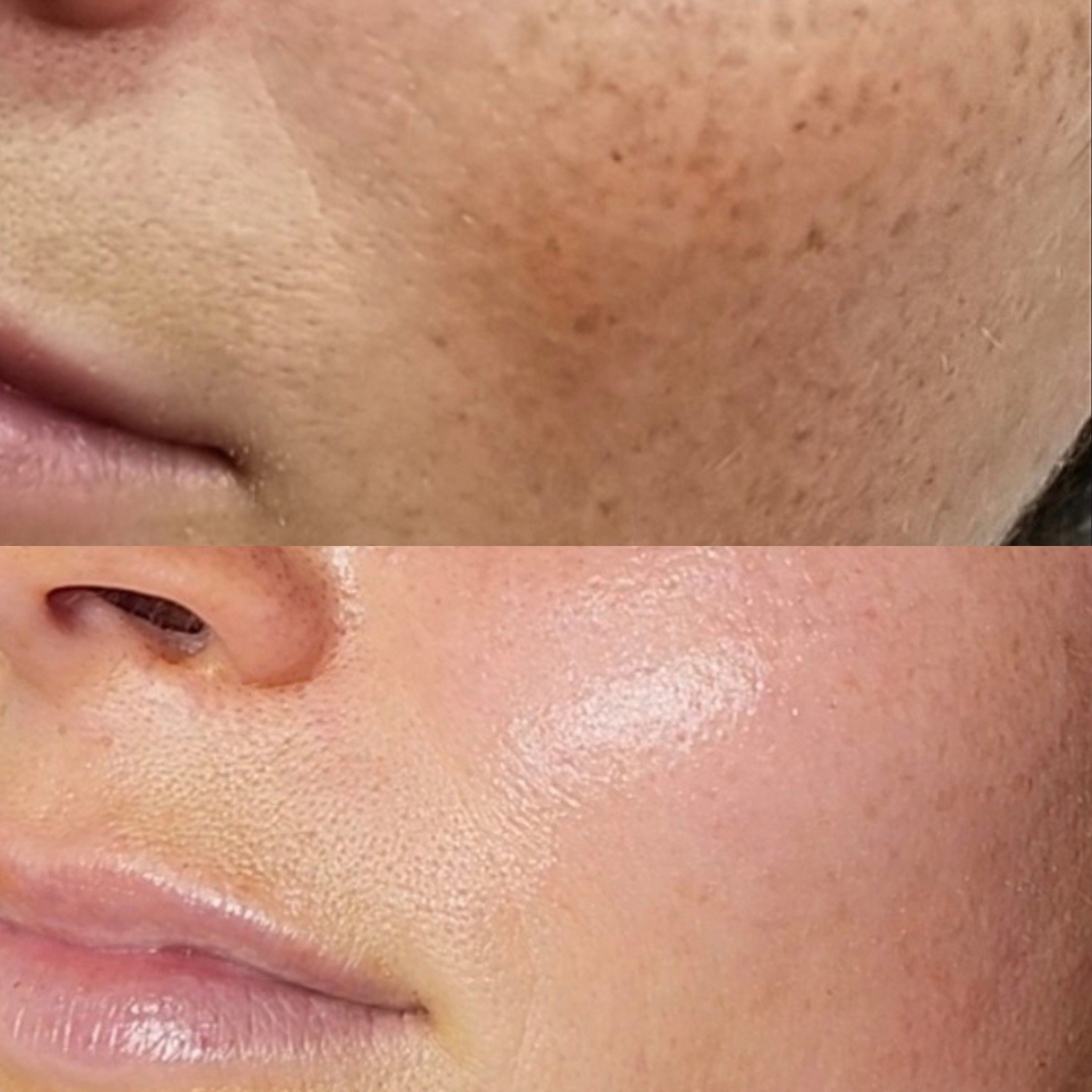
Before & After pigmentation client @facesbykatey
Vitamin C
Vitamin C – A Powerful Tyrosinase Inhibitor
Vitamin C is one of the most effective ingredients for brightening and evening the skin — not just because it’s an antioxidant, but because it works directly on the pigment pathway.
It functions as a tyrosinase inhibitor, meaning it slows down the enzyme responsible for melanin production. By interfering with this process, vitamin C helps reduce the formation of excess pigment, fade dark spots, and prevent new discoloration from forming.
At the same time, its antioxidant activity helps calm inflammation and oxidative stress — two key triggers behind pigmentation and uneven tone.

The secret to brighter, clearer skin:
When it comes to supporting your skin's health and appearance, few things work as effectively as Vitamin C. The 15% Vitamin C Booster provides a potent antioxidant shield for your skin, and anti-inflammatory properties that help reduce redness, irritation, signs of aging, and hyperpigmentation.
Not all vitamin C boosters are created alike. This unique formulation stands out by utilizing L-ascorbic acid in an oil-based form. This special design protects the vitamin C from going rancid and maintains its potency, ensuring you achieve the best results for your skin. Plus, it's enriched with gooseberry, carrot extract, vitamin E, and lemon extract, further enhancing skin brightness without causing irritation!
KEY INGREDIENTS:
L-Ascorbic Acid: Most stable and potent form of vitamin C and a powerful antioxidant, it promotes the recovery of cellular elements of the skin which brightens, evens out skin texture, and lightens acne scars and hyperpigmentation.
Carrot Extract: Containing beta-carotene (an antioxidant) that our bodies convert into vitamin A, it promotes cell regeneration which helps brighten and reduce redness and inflammation.
Gooseberry Extract: A powerhouse fruit that brightens, reduces the appearance of fine lines and wrinkles, and protects the skin's moisture barrier.
HOW TO USE:
Apply a 2-3 drops to freshly cleansed skin, or blend into your daily moisturizer to boost results.
1 oz | 30mL
Mandelic Acid
Mandelic acid is an alpha hydroxy acid (AHA), but it behaves very differently from other AHA’s.
Why it’s ideal for pigment + acne-prone skin:
Larger molecular size → penetrates more slowly
Less inflammation → critical for melasma (inflammation = more pigment)
Gently encourages cellular turnover → helps renew the skin and lift pigment without barrier damage
Has mild antibacterial properties → helps acne without triggering rebound pigment
Helps fade existing discoloration
This is why mandelic is often preferred in skin of color, sensitive skin, and melasma-prone clients. Treat pigmentation and uneven tone with the 8% Mandelic Acid Serum which also contains azelaic acid, another well known pigmentation helper.

Reveal clearer, brighter, and more balanced skin with BiON’s Mandelic Acid Serum 8% — a gentle yet powerful exfoliating treatment designed for acne-prone, aging, and pigmented skin.
Formulated with Mandelic Acid, a slow-penetrating AHA naturally derived from bitter almonds, Because of its larger molecular size, mandelic acid absorbs more slowly, offering powerful exfoliation with minimal irritation It helps balance oil while providing antibacterial and anti-inflammatory benefits for visibly smoother, calmer skin.
Supporting ingredients work synergistically to amplify results:
Azelaic Acid reduces redness, calms inflammation, and fades post-acne marks and discoloration.
Lactic Acid gently resurfaces and boosts hydration for a fresh, radiant glow.
Sodium PCA strengthens the moisture barrier and locks in lasting hydration.
This alcohol-free formula brightens, refines texture, minimizes congestion, and supports clear, youthful skin with consistent use.
Key Benefits:
• Clears and refines pores
• Balances sebum production
• Reduces breakouts and inflammation
• Fades dark spots, melasma, and sun damage
• Improves skin hydration by up to 84%
• Promotes a smoother, more radiant appearance
pH 3.4
1 oz
Recommended Use:
Apply evenly over cleansed skin every other day for the first 2 weeks. If tolerated, increase to daily use or as directed.
Sepiwhite
Septiwhite® is a peptide-based brightening ingredient that works in a very intelligent, non-aggressive way.
It:
Inhibits tyrosinase activity (slows pigment signaling)
Reduces melanin transfer to surrounding cells
Helps calm inflammatory triggers that stimulate pigment
Unlike harsh brighteners:
It doesn’t thin the skin
It’s safe for long-term use
Think of Septiwhite as: teaching pigment cells to calm down instead of attacking them. Use Perfection Pigment Corrector to add Sepiwhite and other pigmentation helpers such as bearberry and azelaic acid to your pigmentation skincare routine.

Perfection Pigment Corrector is a breakthrough formula designed to gently exfoliate and protect the skin, inhibiting multiple melanin pathways for a radiant, even skin tone. Its dual-chamber formula fades dark spots, brightening your skin for visible results. Experience potent tyrosinase inhibitors, normalized sebum activity, and an advanced delivery system for impeccable, luminous skin. Unveil a transformative glow with Perfection Pigment Corrector!
KEY INGREDIENTS:
Sepiwhite — Lightens skin by controlling the formation and dispersion of melanin.
Niacinamide — Form of Niacin (B3) involved in cellular respiration; lipid synthesis, provides antioxidant and anti-inflammatory properties, improves epidermal barrier function and inhibits skin pigmentation.
SymWhite — Skin lightener and antioxidant with potent levels of tyrosinase
inhibitors.
Azelaic Acid — Innovative molecule exhibiting sebum normalizing activity,
brightening and whitening properties and improved elasticity.
Mandelic Acid — proven to lighten hyperpigmentation, contains antibacterial
properties, and addresses blemish prone skin.
HOW TO USE:
Shake well. On clean skin, spot treat pigmented areas morning and evening. First, apply 1 pump of product from the copper colored pump and massage into the skin. Then, apply 1 pump of product from the pearl colored pump and massage into the skin. Spray pigmented area with Infuse Nutrient Activating Mist and gently massage.
0.85 fl.oz / 25 mL
Vitamin A (Retinaldehyde): A Preventative Approach to Pigmentation
Vitamin A derivatives, including retinaldehyde, play an important role in pigmentation skincare by helping regulate how pigment is formed and expressed in the skin. Retinaldehyde has been shown to inhibit tyrosinase activity, meaning it helps slow excess melanin production at the source rather than simply fading pigment after it appears. It also supports healthy cell turnover, allowing pigmented cells to shed more efficiently, which helps lessen the appearance of dark spots and uneven tone over time.
Correct Preventative Retinal Serum contains 0.083% retinaldehyde, a gentle yet effective concentration that promotes skin renewal without the irritation commonly associated with other retinoids. By encouraging balanced cell turnover, retinaldehyde helps brighten overall skin tone while supporting smoother texture and more even coloration.
When used consistently and paired with barrier-supportive care, retinaldehyde becomes a preventative tool in pigmentation management — helping calm overactive pigment cells, reduce the appearance of existing spots, and protect against future uneven tone.
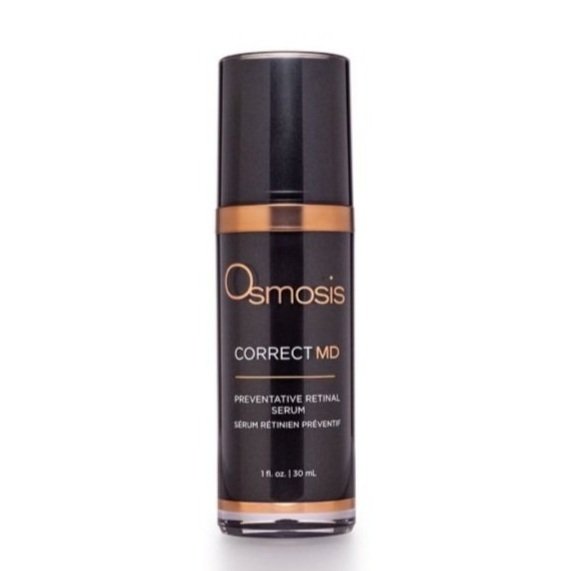
Correct is of the most powerful, non-inflammatory vitamin A rejuvenation serums available. Professional-grade liposomes deliver .083% retinal and proprietary nutrients beyond the surface to feed and remodel the skin. Real changes result from 9 collagen stimulators and 7 antioxidants that also offer UVB protection and barrier repair. A smooth, rejuvenated and luminous finish results from this concentrate of scientifically validated actives.
BENEFITS:
- Retinal is 1000x more effective at stimulating collagen than retinol, yet it is gentler to the skin
- Clinically proven to work 11x faster than retinol and absorbs more thoroughly
- Not sun sensitizing and doesn’t increase your risk of UVA/UVB damage so it can be included in your day time skincare routine
- Helps pigmentation, tone/texture, fine lines, aging and hydration
- Feeds collagen and elastin production - Prevents acne breakouts, improves pores
KEY INGREDIENTS:
Retinal (Retinaldehyde) | Vitamin A that works with the skin to promote cellular turnover and helps reduce multiple signs of aging without causing irritation or sun sensitivity. Clinically proven to outperform retinoic acid in long-term collagen production.
Thioctic Acid, Fulvic Acid, and Beta-Glucan neutralize free radicals and soothe inflammation.
Hydroxyproline (L) | From the amino acid proline; helps stabilize collagen, increases moisture and firmness in the skin, comprises roughly 4% of all amino acids found in our tissues; source of virtually every skin component including proteins, antioxidants, and peptides.
Dimethyl Sulfone (MSM) | Organic sulfur compound that strengthens skin’s support structure; promotes the synthesis of proteins and connective tissue.
Caprooyl-Tetrapeptide-3 (Chronoline) - Boosts collagen production, activates skin repair, and reduces the appearance of fine lines and wrinkles.
HOW TO USE:
On clean skin, apply 1-2 pumps morning and/or evening.
1 FL OZ / 30 ML
Available exclusively through Osmosis MD skincare professional
Note from Katey: Use this non-toxic formula around the eyes to brighten, reduce fine lines and enhance the lipid barrier. Layer with Illuminate liquid crystal eye serum on top for optimal hydration.
Pigmentation Skincare Framework:
Slow pigment production (tyrosinase inhibition)
Reduce inflammation
Improve cell turnover safely
Repair the skin and protect the barrier so pigment doesn’t rebound
We’re not bleaching the skin or over-stripping. We’re calming overactive pigment cells, reducing inflammation, and supporting healthy skin turnover so tone evens out naturally — without triggering more discoloration.
The information provided on this site is for general informational purposes only, to include blog postings and any linked material. The information is not intended to be a substitute for professional health or medical advice or treatment, nor should it be relied upon for the diagnosis, prevention, or treatment of any health consideration. Consult with a licensed health care practitioner before altering or discontinuing any medications, treatment or care, or starting any diet, skincare, exercise or supplementation program. The content of this blog and any linked material does not necessarily reflect the opinions of Mindful Beauty facesbykatey and is not guaranteed to be correct, complete, or up to date.