
LED Light Therapy Benefits for Skin
LED light therapy has become a go-to tool in modern skincare, trusted by estheticians and skin professionals for its ability to support skin healing, reduce inflammation, and improve overall skin function.
Whether you’re navigating acne, redness, uneven texture, dullness, or early signs of aging, LED therapy can be a powerful addition to both in-clinic treatments and at-home routines. By working at a cellular level, light therapy helps encourage repair and renewal without compromising the skin barrier.
In this post, I’ll break down what LED light therapy actually is, the difference between red and blue light, how each wavelength works in the skin, and share some of my personal favorite devices for supporting healthy, resilient skin at home.
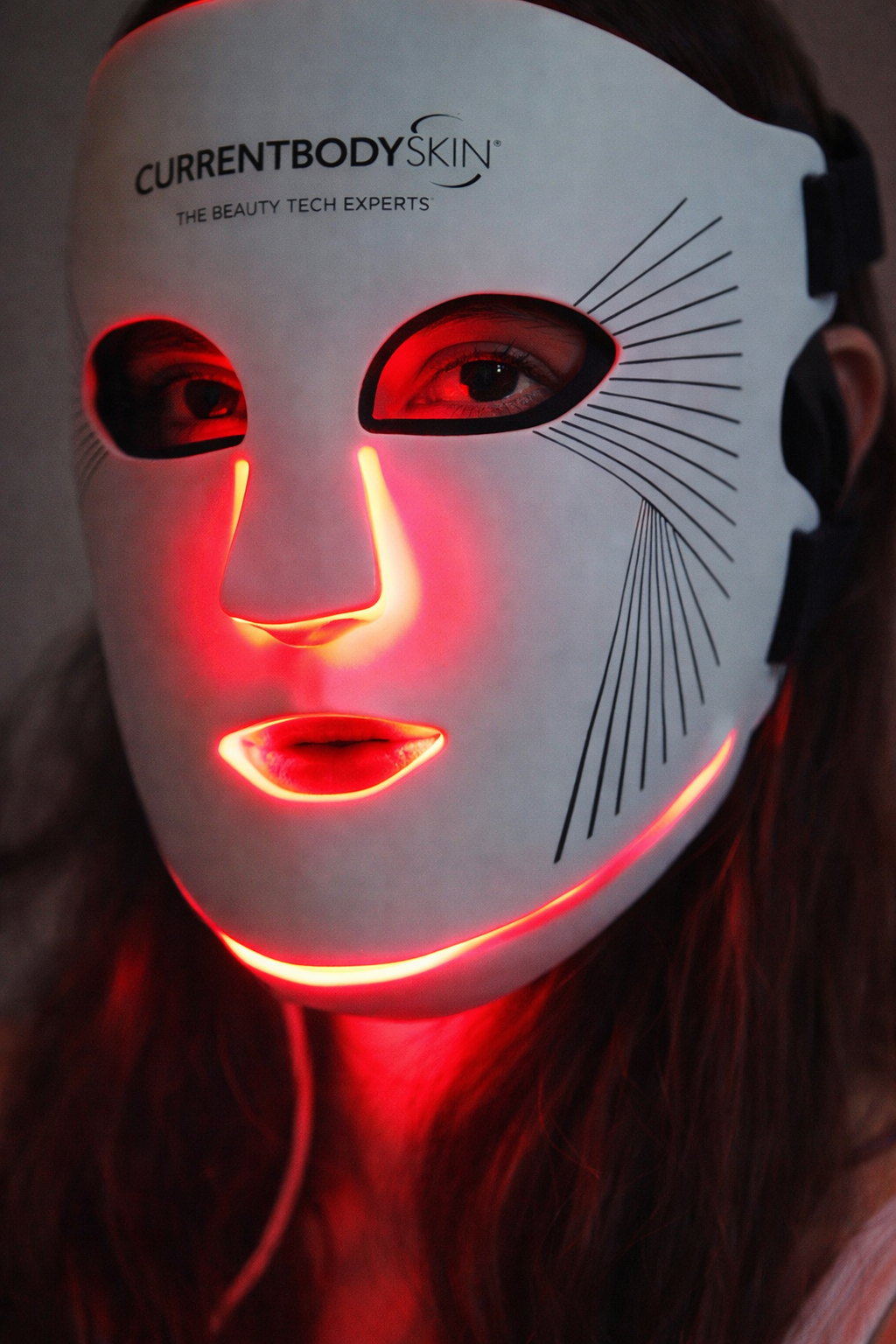
Current Body Red Light Therapy Mask Discount Code: KATEYCB
What is LED light therapy?
Low-level-light therapy is based on Light Emitting Diode (LED) technology and is the application of light energy to the body for therapeutic benefits. It promotes a natural photobiochemical reaction similar to the process of plant photosynthesis. Before the widespread use of light therapy for humans, NASA was using light therapy to help grow plants in space which progressed to discovering the many skin, mood, and wellness benefits we appreciate today.
The energy delivered by the LEDs has been shown to enhance cellular metabolism, accelerate the repair and replenishment of damaged skin cells, and even stimulate the production of collagen — the foundation of healthy, smooth skin. Research has shown that LED light therapy may help smooth skin texture, improve skin firmness and resilience, increase lymphatic system activity, restore skin’s natural cellular activity, and reduce the appearance of fine lines, wrinkles, and superficial hyperpigmentation. The treatment is for generally for all skin types, and is non-ablative, non-invasive, painless, and requires absolutely no downtime.
What does red light therapy do?

Red light therapy uses light energy in the electro-magnetic spectrum around 640nm. Fibroblasts make collagen fibers, so it stands to reason that the more and healthier fibroblasts we have in the skin, the more and better collagen fibers are made.Red light has been shown to stimulate fibroblast growth factors to encourage collagen production. It has proven to be an effective treatment for fine lines, wrinkles, skin elasticity, texture, inflammation, and healing resulting in a more plump, smooth and glowing complexion.
Red Light Therapy Benefits for Skin
Supports collagen and elastin production for firmer, more resilient skin
Helps reduce inflammation and redness, making it beneficial for acne-prone and sensitive skin
Encourages faster skin healing and repair, including post-treatment recovery
Improves circulation and oxygen delivery to the skin for a healthy glow
Supports cellular energy (ATP) production, helping skin function more efficiently
Helps soften the appearance of fine lines and wrinkles over time
Improves skin texture and tone
Can help reduce the appearance of post-inflammatory hyperpigmentation (PIH)
Supports a stronger, healthier skin barrier
Non-invasive and gentle, making it suitable for consistent, long-term use
What does blue light therapy do?
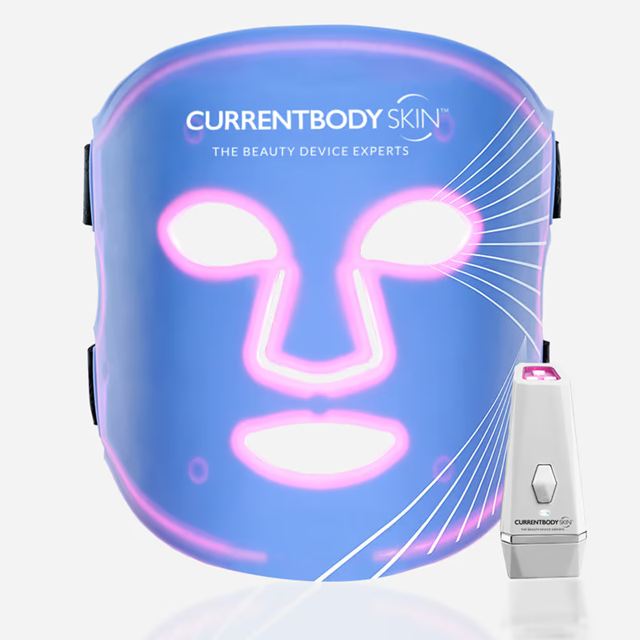
Current Body Anti-Acne LED Mask Discount code: KATEYCB
Blue light therapy uses light energy in the electro-magnetic spectrum of 400-500nm and works by killing acne-causing bacteria at the source, deep beneath the skin’s surface. As more people are searching for more natural, chemical-free alternatives to traditional acne solutions, blue light therapy can be a perfect non-invasive tech-boost for acne control. Blue LED light therapy emits specific, clinically-proven wavelengths of light to trigger an all-natural effect in human tissue, killing acne-causing bacteria, decreasing inflammation, and improving skin tone, texture, and clarity from the inside out.
Blue Light Therapy Benefits for Skin
Blue light therapy helps manage acne by reducing acne-causing bacteria and calming active inflammation, making it most effective for surface-level and inflammatory breakouts.
Targets and helps reduce acne-causing bacteria (C. acnes) on the skin
Helps reduce active breakouts, especially inflammatory acne
Supports clearer pores by lowering bacterial load
Helps calm acute inflammation associated with breakouts
Can reduce the frequency and severity of acne flares over time
Non-invasive and gentle when used appropriately
Can be used alongside other acne-supportive therapies and skincare routines
Light therapy Q&A:
Q: Does light therapy hurt?
A: No. Light therapy is non-invasive and is painless when used as intended.
Q: Does light therapy use UV light?
A: No. light therapy utilizes a combination of blue, red, and sometimes near-infrared (not visible to the naked eye) light emitting diodes (LEDs) only.
Q: How long does a session last?
A: During a facial a light therapy session can range from 15-30 minutes. For at home use, a session might be 10-20 minutes at a time.
Q: Do I need to be close to the light therapy device?
A: Light therapy should be in close proximity to the area being treated. Skin should also be free of clothing, makeup, or anything else that may deflect light away from the skin.
Q: Do I need to remove makeup and have fresh skincare done?
Many makeup formulas contain minerals that may deflect light. Clean, bare skin is recommended for best results.
The Final Takeaway:
Led light therapy masks can help promote glowing healthy skin. Although most say the results can be fantastic, they need to be maintained with regular use and should not be seen as the only solution for all skin concerns, nor be a substitute for professional care. Light therapy also isn’t a must-have skin care item, think of it more as a complement to give an extra boost to your current skin and self care routine.
The information provided on this site is for general informational purposes only, to include blog postings and any linked material. The information is not intended to be a substitute for professional health or medical advice or treatment, nor should it be relied upon for the diagnosis, prevention, or treatment of any health consideration. Never disregard professional medical advice or delay in seeking it because of something you have read on this website or blog. Consult with a licensed health care practitioner before altering or discontinuing any medications, treatment or care, skin care products or starting any diet, exercise or supplementation program. The content of this blog and any linked material does not necessarily reflect the opinions of Mindful Beauty facesbykatey and is not guaranteed to be correct, complete, or up to date.