
Plant-Based Collagen Support for Skin
Why plant-powered living may be the most effective path to firm, radiant, youthful skin.
Bone broth, gelatinous collagen drinks, collagen powders have been marketed as the holy grail for firm, youthful skin all over social media. But here's the truth most wellness trends leave out:
We don't "grow" collagen by eating collagen.
The idea that we simply lose 1% of collagen every year after a certain age is an oversimplification at best. Collagen loss isn't driven by age alone — it's driven by inflammation, oxidative stress, poor circulation, impaired detoxification, and barrier dysfunction.
The Real Key to Collagen
To promote young, healthy skin, we want to support a young, healthy liver — because collagen production depends on how efficiently your body can process nutrients, reduce inflammation, and deliver oxygen and minerals to the skin to help it rejuvenate. When those systems are supported, collagen production follows.
Collagen is something your body produces when the right internal conditions are present. And the good news? We can absolutely support collagen production on a fully vegan, plant-powered lifestyle — often more effectively and with far less inflammation.
Let's break it down below
Plus — my favorite collagen-boosting skincare picks.
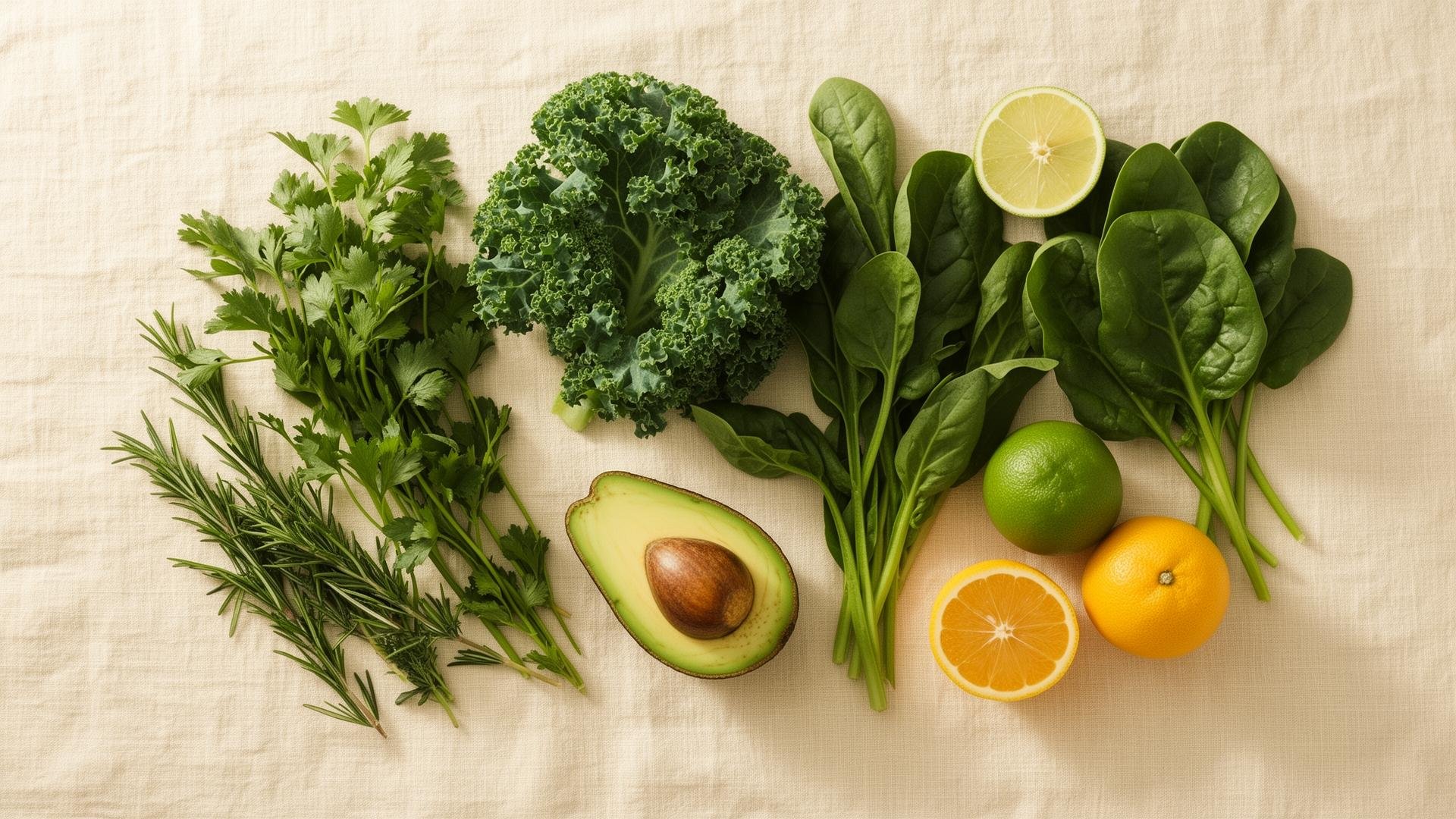
How Collagen Is Actually Made in the Body
Collagen production depends on a few non-negotiables:
Amino acids (glycine, proline, lysine)
Vitamin C (this is the on-switch)
Key minerals (copper, zinc, silica)
Antioxidants
Healthy flow of fluids (lymphatic and blood)
When you consume collagen, your digestive system breaks it down into amino acids anyway. The body doesn’t shuttle collagen directly to your skin. So instead of trying to ingest collagen, the goal is to give your body the raw materials and signaling environment it needs to make its own.
Plant-Powered Collagen Builders (Vegan & Effective)
1. Vitamin C — The Collagen Activator
Vitamin C is required to convert amino acids into collagen fibers. Without it, collagen production stalls.
Sources
Citrus fruits
Kiwi
Strawberries
Camu camu
Mango
Bell peppers
Broccoli
Parsley
Tip: Vitamin C is best absorbed away from heavy fats. Fruit-forward mornings support collagen synthesis beautifully.
2. Amino Acids — The Building Blocks
jerkwtjewtkwekt
Great vegan sources
Lentils, chickpeas, beans
Pumpkin seeds, hemp seeds
Quinoa, buckwheat
Spirulina, chlorella avocado black beans dates
3. Silica — The Secret to Elasticity
Silica strengthens collagen structure and helps maintain skin resilience.
Sources
Cucumber
Asparagus
Artichoke
Green beans
Nettle
Horsetail
Silica supplements
My favorite Silica Supplement is Orogono Living Silica
4. Copper & Zinc — Collagen Cross-Linking
These minerals help collagen fibers hold their shape and stay strong.
Copper
Leafy greens
Cashews & Sunflower seeds
Avocado
Shiitake mushrooms
Zinc
Sprouts
Collard greens
Pumpkin seeds
Radishes
Artichokes
Nettle leaf
Parsley
Onions
Raw honey.
Why Collagen Breaks Down
Collagen breaks down faster when there is:
Overburdened liver
Poor lymphatic flow
Chronic stress (elevated cortisol)
Low movement
Inflammation
What actually protects collagen:
Daily walking, gentle strength or balance exercises
A nourishing diet full of color, hydration, minerals, amino acids, and glucose.
Facial massage & gua sha
Deep, restorative sleep
Nervous system regulation
Liver health and internal flow = collagen preservation.
Vegan Supplements That Support Collagen Production
If you want to support collagen production more intentionally:
These work upstream, supporting the body’s own regenerative processes.
Topicals Matter — Because They Signal the Skin
Topical products don’t “add” collagen — they signal fibroblasts to produce more.
When used consistently, they tell the skin:
It’s safe to repair. It’s safe to rebuild.
Collagen Revival Serum
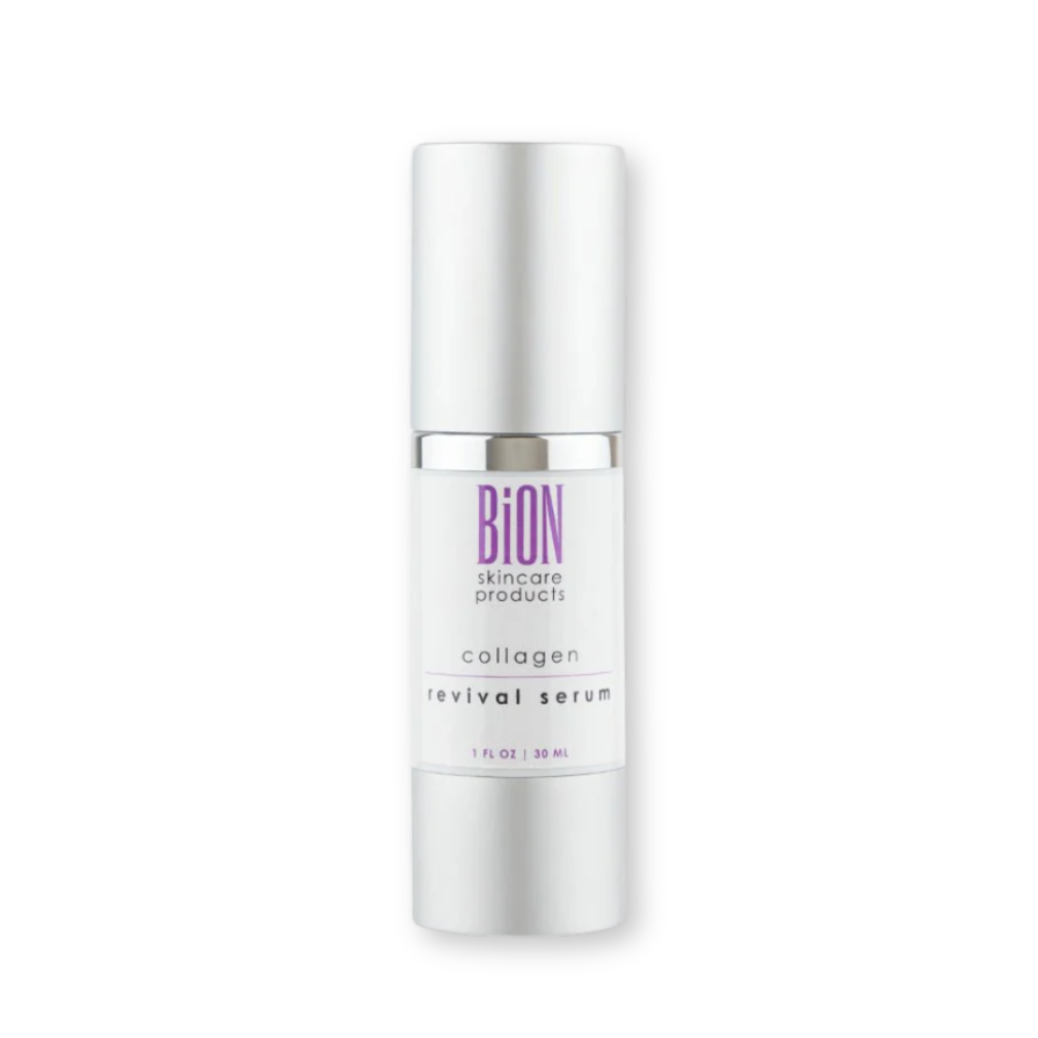
Hydration. Barrier support. Collagen renewal.
This serum cannot get enough praise. Collagen Revival is a deeply nourishing, barrier-respecting formula designed to support the skin’s natural ability to renew, repair, and stay resilient over time. Rather than forcing correction, it works intelligently with the skin — making it an ideal choice for post-treatment, acne-prone, or compromised skin that still wants visible firmness and luminosity. BiON Collagen Revival Serum not only stimulates collagen production, but also encourages cell turnover and hydration. The result is healthy and youthful skin, even tone, and improved texture. It absorbs quickly, leaving skin calm, nourished, and glowing.
BiON Collagen Revival Serum was developed for a physician group in Florida who were experimenting with stem cell implantation. They formulated this serum to be used to help build collagen and bring healing to damaged skin.
Skin Benefits
Supports collagen + elastin production
Deeply hydrates and plumps the skin
Strengthens the skin barrier
Calms inflammation and redness
Gently brightens without irritation
Acne-safe antioxidant protection
How To Use
Apply morning and night after applying cleanser and toner. Dry to normal skin types can follow with a moisturizer, whereas oily skin types can use this as a moisturizer.
pH 4.6
1 oz
Note from Katey: All skin types could enjoy this serum, including acne-prone individuals looking for collagen production, cell turnover, and anti-aging effects.
BiON Collagen Revival Serum not only stimulates collagen production, but also encourages cell turnover and hydration. The result is healthy and youthful skin, even tone, and improved texture. It absorbs quickly, leaving skin calm, nourished, and glowing. This serum to be used to help build collagen and bring healing to damaged skin with calming hydration, layered vitamin c and antioxidants, mineral and barrier skin function support.
Calm Retinal Serum — A Gentle Starting Point

Winner of the 2023 Aestheticians' Choice Awards
Osmosis MD Calm is a Vitamin A serum designed to rejuvenate deep in the skin with liposomal .035% retinaldehyde which is also known to benefit and calm sensitive skin. 7 liposomal antioxidants and many soothing botanicals combine to restore the lipid barrier and reduce inflammation. This serum calms sensitive skin and encourages innate cell renewal processes.
BENEFITS:
7 non-irritating collagen and elastin stimulators
Calms inflammation
Increases nutrient supply and moisture
Patented non-inflammatory Vitamin A
Gentle cell renewal with barrier protection
Increases nutrient supply and moisture
KEY INGREDIENTS:
Retinal (Retinaldehyde) – Vitamin A works with the skin to promote cellular turnover and helps reduce multiple signs of aging without causing irritation or sun sensitivity. Clinically proven to outperform retinoic acid in long-term collagen production.
Palmitoyl Tripeptide-38 (Synthe-6) – Wrinkle filler derived from tripeptides comprised of 6 amino acids to help build the skin framework and form the matrix of collagen I, III, IV, fibronectin, Hyaluronic acid, and laminin 5; smooths wrinkles from the inside by stimulating the synthesis of macromolecules in the dermal/epidermal junction that are needed for structure.
Hippophae Rhamnoides (Sea Buckthorn) Extract – High content of Omega 7 fatty acids, tocopherols, carotenoids, and phytosterols; enhances cell regeneration, promotes healing, is anti-inflammatory, firms and tones sagging skin smoothing out
wrinkles. Used to soothe, heal, and promote healthy barrier function in allergic and inflammatory skin.
Prunus Serotina (Wild Cherry) Bark Extract – Historically the inner bark of Wild Cherry has been used for its highly anti-inflammatory and astringent properties to treat rashes, psoriasis, and eczema, as it soothes, detoxifies, and stimulates healing.
HOW TO USE:
On Clean skin apply 1-2 pumps and gently massage into skin. Follow with additional serum(s) and moisturizer if needed. Retinaldehyde is sun-safe so you can use it in your morning routine as well!
1 FL OZ/ 30 ML
Note from Katey: This multitasking retinaldehyde serum is a great starter vitamin A and also suited for anyone with inflamed sensitized skin conditions such as but not limited to rosacea or acne because it helps to soothe the skin, prevent breakouts and reduce redness.
Vitamin A is one of the most well-researched collagen-stimulating ingredients available. A retinal formula offers results with less irritation when the skin barrier is respected.
Calm Retinal Serum is ideal if you’re new to vitamin A or prioritizing barrier support. It encourages cell turnover, supports collagen signaling, and helps improve firmness over time — without overwhelming sensitive or acne-prone skin.
Stemfactor Serum
Think of StemFactor like delivering repair signals and building materials directly to the skin.
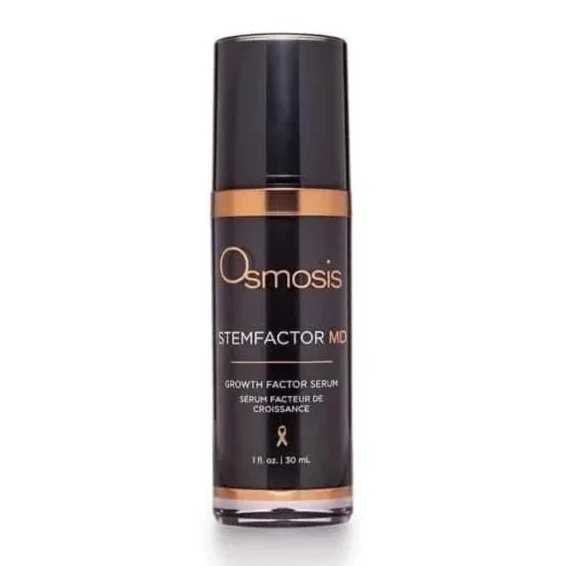
StemFactor Growth Factor Serum is the most clinically proven and technologically advanced growth factor serum that utilizes patented methods to feed stem cells and fibroblasts to replenish the skin’s shortage of growth factors and proteins. This serum contains 3.5 trillion exosomes per bottle, ensuring that over 600 different types of growth factors are efficiently delivered to skin cells. This results in optimized regenerative effects, enhanced skin healing, reduced scarring, and overall skin rejuvenation. Exosomes support aging skin by enhancing cellular communication and increasing collagen and elastin production. StemFactor improves all aspects of damage and aging by encouraging the skin’s repair process and stimulating new cell development for youthful skin.
600 growth factors and skin proteins
Collagen and elastin boost
Firms and Lifts: Improves skin elasticity, texture, and tone for a firmer, smoother appearance.
Advanced Cell Repair: Activates new cell development, encouraging skin regeneration and repair.
Clinically proven skin remodeling with exosome technology
Protects and Strengthens: Shields skin from environmental damage while enhancing resilience.
Restores damaged skin
Replenishes Growth Factors: Reintroduces essential growth factors and proteins lost with age
BENEFICIAL FOR:
Aging
Pigmented
Sensitive
Dry
Irritated
Damaged
How to use Osmosis StemFactor
Apply 1-2 pumps on clean skin in the morning and evening.
Follow with additional serum(s) and moisturizer if needed.
Pro Tip: The molecular structure of StemFactor is smaller and should ideally be applied first with other serums/moisturizers on top.
1 FL oz | 30 ml
With 3.5 trillion exosomes per bottle delivering over 600 different growth factors and proteins, StemFactor doesn't just supplement your skin — it reprograms your cells' ability to regenerate. It helps rebuild the skin’s support system so cells can communicate, repair, and function better.
Vitamin C Regenerative Balm
Vitamin C plays a crucial role in collagen formation and protection. When paired with vitamin A in a skincare routine, the two work synergistically to support brightness, firmness, and resilience.
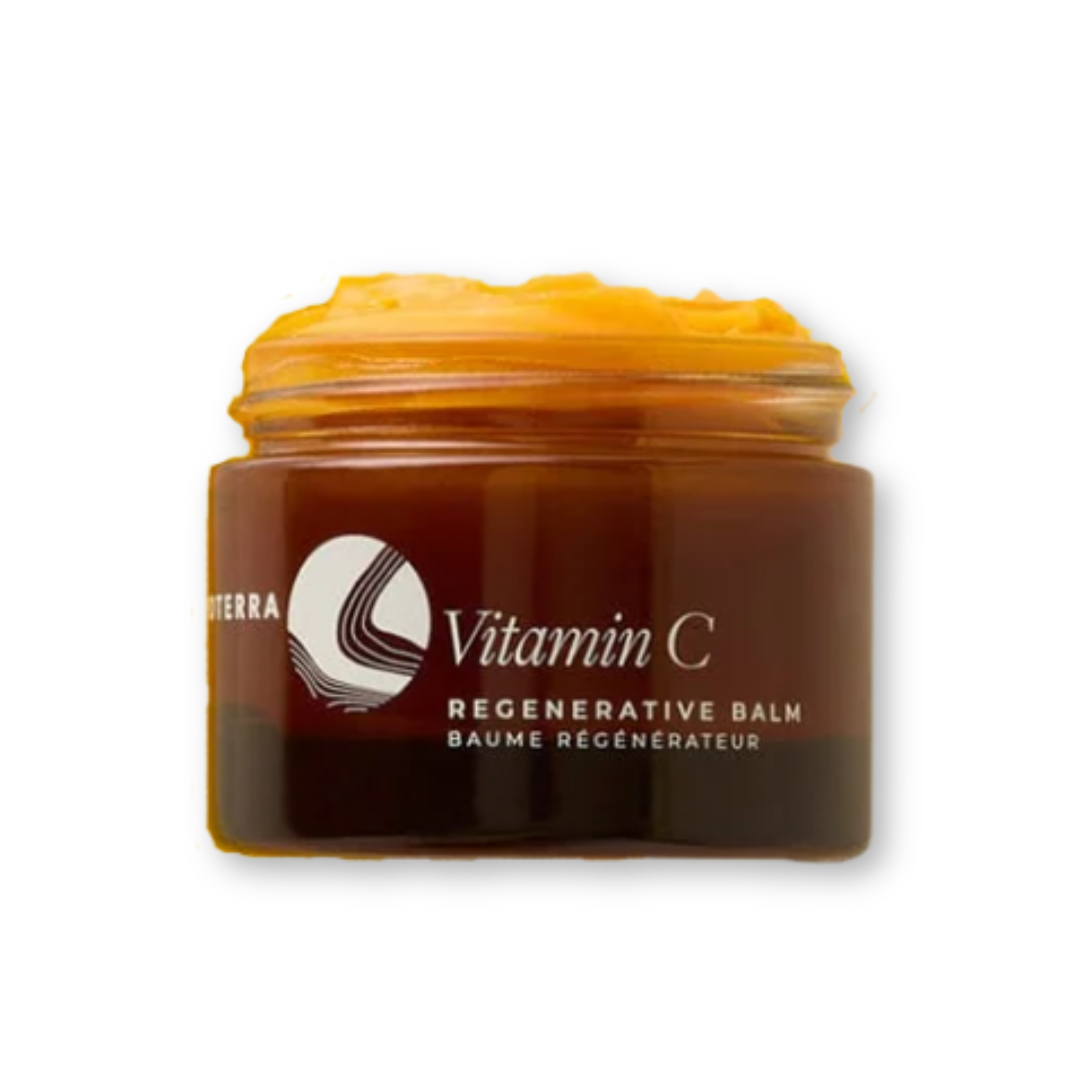
Vitamin C Regenerating Balm is magic nectar in a jar that will bring your skin back to life. Its rich, creamy blend of organic plant butters & oils like rosehip, prickly pear, pomegranate and calendula sink deeply into skin to help retain hydration, radiance, and barrier support, sealing in moisture and preventing trans-epidermal water loss. Skin will feel perfectly supple, luminous and comforted. A team of skin-repairing antioxidants, a phytonutrient infusion & active botanicals like turmeric & calendula address premature aging. Thyme and chamomile help alleviate acne.
A comforting multi-omega, multivitamin, multi-nutrient for skin
Suitable for all skin types. Formulated to address dehydrated, aging, dull, sensitive, inflamed, or damaged skin states.
BENEFITS
Two advanced forms of vitamin C to help even & brighten the skin's complexion, protect the skin, and fade discoloration.
Acetyle zingerone, a cutting edge ginger derived antioxidant, slows visible signs of aging by protecting skin from multiple types of free radicals from UV exposure, pollution, and even internal stress, while helping prevent collagen and elastin breakdown for smoother, more resilient skin
CoQ10 boosts collagen production while rosehip seed oil is high in essential fatty acids Omega 3, 6 & 9.
Helps to diminish redness, repair skin barrier function, & speed up skin healing.
Rosehip • Pomegranate • Prickly Pear • Sea Buckthorn • Calendula Infused Jojoba • Pumpkin Seed • Vitamin C • Q10 • Elderberry • Cupuaçu Butter • Shea Butter • Patchouli • Jasmine • Immortelle
HOW TO USE
Mist skin generously with a toning mist & massage a small amount into skin.
In the summer, use this balm to repair skin from increased sun exposure, & in winter, use it to create a protective barrier against harsh cold & dryness.
Can also be used as an eye cream.
Blend balm + mist in the palm of your hand for the perfect customized emulsion of oil + water.
As a Mask: Vitamin C Regenerative Balm makes an ideal regenerating, nourishing and restorative treatment for dry and/or sensitive skin in need of rebuilding from over-reliance on harsh exfoliating acids, or over-use of exfoliating products.
97% certified organic ingredients
100% Natural
Leaping Bunny Cruelty Free certified
1.5 FL OZ
Note from Katey: This C-Balm is the real MVP glow getter you didn’t know you were missing in your skincare routine. Pro Tip: For a lighter experience, mist skin before applying the balm. It will emulsify into a cream to sink in deeper and faster. This balm can also work as a balm cleanser to remove makeup and makes an excellent facial massage medium.
The Vitamin C Regenerative Balm delivers antioxidant protection while nourishing the skin barrier — helping prevent collagen breakdown while supporting regeneration.
Massage it into the skin to further amplify circulation and lymphatic flow.
The Takeaway
When you:
Nourish the body with plant-powered building blocks
Support lymphatic flow and circulation
Reduce inflammation and stress
Use topicals that signal repair
…your skin responds with firmness, plumpness, and vitality — naturally.
No jiggly bone broth required.
More Support:
Flow>Freeze Botox Alternative Guide

A healthy-aging approach that supports your skin inside and out — without injections.
This 30-page guide explores how to maintain vibrancy by working with your skin as it evolves, not against it. You’ll learn what Botox does from a holistic perspective, and how muscle tension, circulation, nutrition, skincare, and daily habits influence our skin’s radiance. Most importantly, you’ll learn how to restore flow — softening lines, promoting firmness, and supporting collagen naturally.
What’s Inside:
• 30 pages of flow>freeze insights to discover
• How wrinkles form + what influences their depth
• Understand how muscle tension, lymph, and fascia connect to the skin
• Skin + lifestyle patterns that accelerate collagen breakdown
• 5 supportive, skin-nourishing recipes
• Importance of antioxidants
• Benefits of facial massage + gua sha
• Somatic + nervous system grounding practices
• Skincare guidance + tool recommendations
+ A special No-Tox Forehead Gua Sha tutorial — delivered separately via email to help you get started at home.
Your face tells your story — every emotion, every expression, every moment of becoming. This guide is for women who are intentional about what they put in and on their bodies — and still want to feel sculpted, lifted, and at home in their skin. It offers a mindful path to aging well and maintaining your natural glow (inside & out) without freezing or hardening the beauty that makes you, you.
Inside, you’ll find the same tips and wisdom I personally use and share with my own clients, now in your hands to explore and make your own.
• 30 pages of flow>freeze insights to discover
• How wrinkles form + what influences their depth
• Understand how muscle tension, lymph, and fascia connect to the skin
• Skin + lifestyle patterns that accelerate collagen breakdown
• 5 supportive, skin-nourishing recipes
• Importance of antioxidants
• Benefits of facial massage + gua sha
• Somatic + nervous system grounding practices
• Skincare guidance + tool recommendations
The Vegan Glow
Plant-powered beauty from the inside out.
The information provided on this site is for general informational purposes only, to include blog postings and any linked material. The information is not intended to be a substitute for professional health or medical advice or treatment, nor should it be relied upon for the diagnosis, prevention, or treatment of any health consideration. Consult with a licensed health care practitioner before altering or discontinuing any medications, treatment or care, skin care products or starting any diet, exercise or supplementation program. The content of this blog and any linked material does not necessarily reflect the opinions of Mindful Beauty facesbykatey and is not guaranteed to be correct, complete, or up to date.